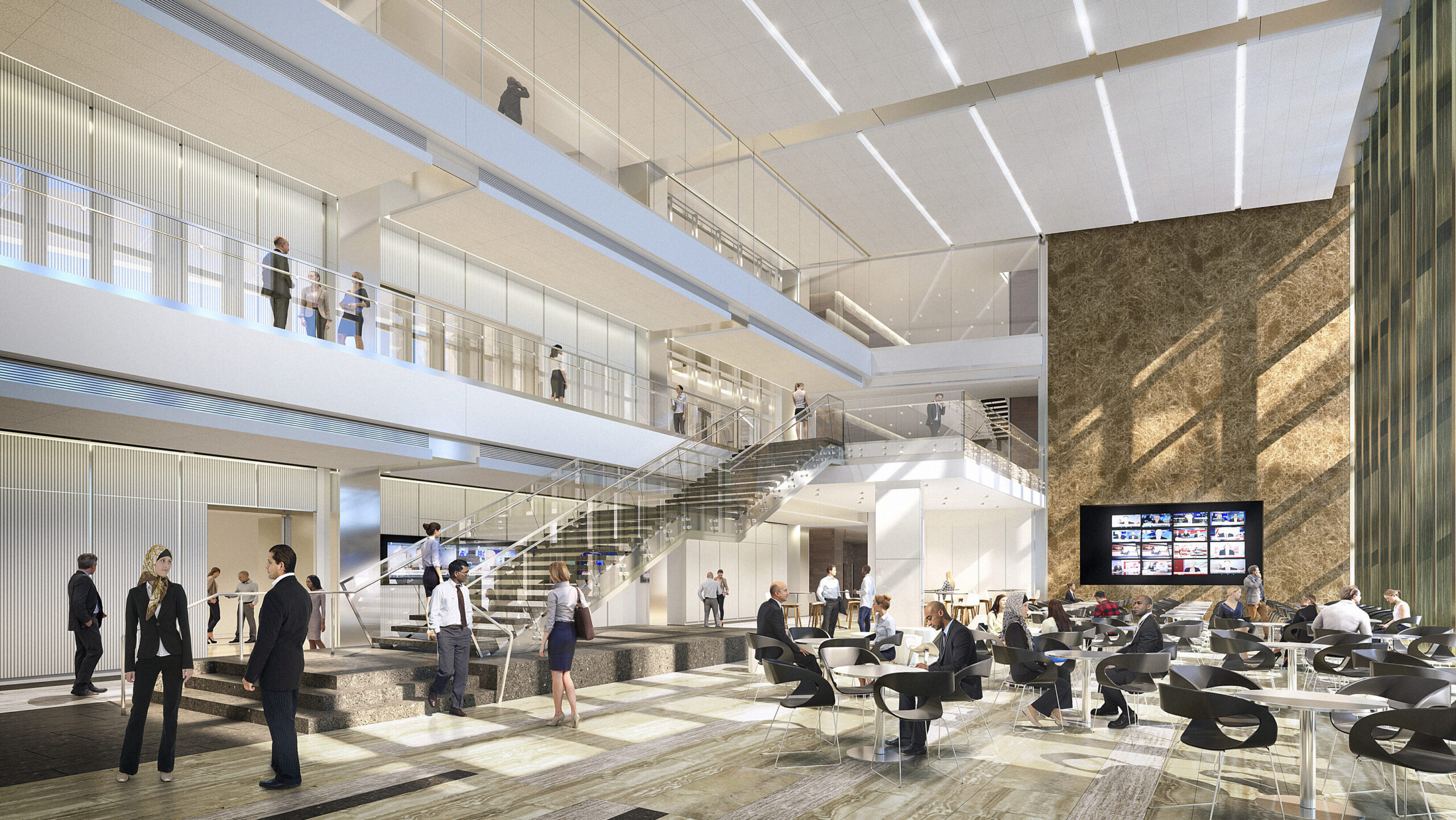
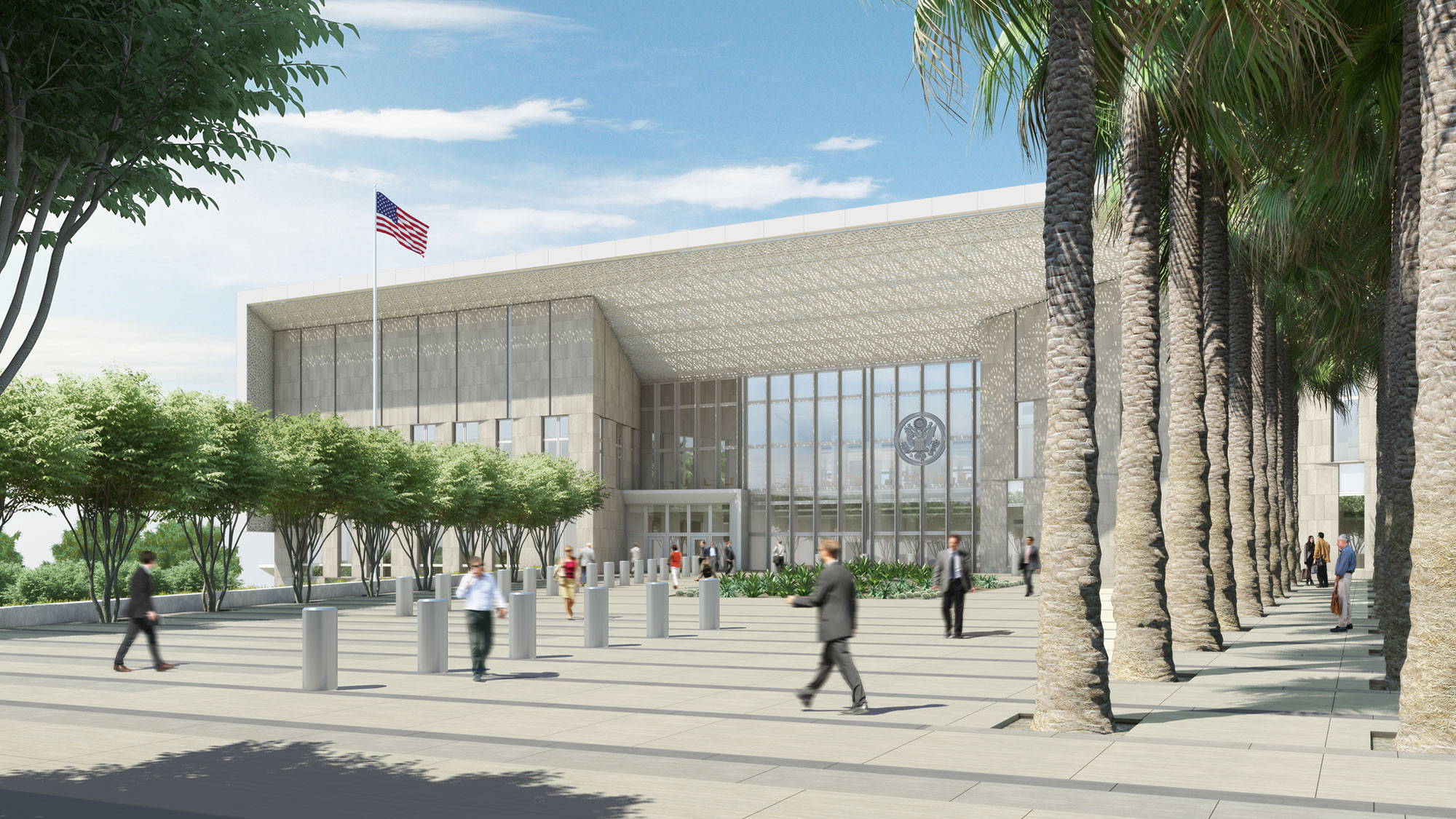
The United States and Iraqi Kurdistan Region share a close relationship focused on safeguarding Iraqi sovereignty, bolstering regional stability, and strengthening our economic ties. To support these collaborative efforts, the U.S. Department of State Bureau of Overseas Buildings Operations constructed a new consulate general in Erbil that serves as a secure platform to advance the interests of the United States and demonstrates the value that a sovereign, secure, and prosperous Iraq – in mutually beneficial partnership with the U.S. – can deliver for its own people and for the United States.
Project Overview
Page Southerland Page
Design Architect
BL Harbert International
General Contractor
50 acres
Site Size
$796 million
Project Budget
$131 million
Estimated Local Investment
2025
Project Completion
The United States has maintained a diplomatic presence in Erbil since 2007, fostering partnerships that promote governance, economic growth, and education.
The new consulate provides a safe, secure, functional, and efficient space for U.S. personnel to strengthen these efforts by facilitating collaboration with regional officials, civil society, and the private sector; supporting U.S. companies’ growing interest in the Iraqi Kurdistan Region; and delivering tangible outcomes that provide value for both nations.
Design & Construction
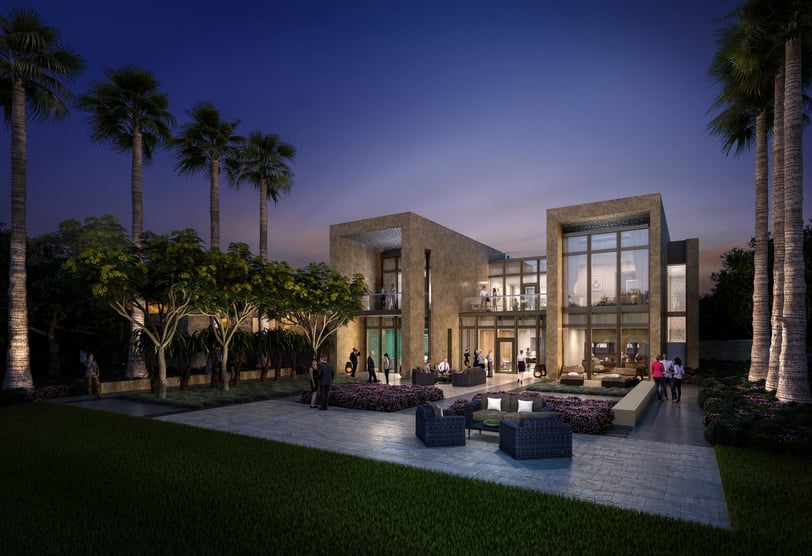
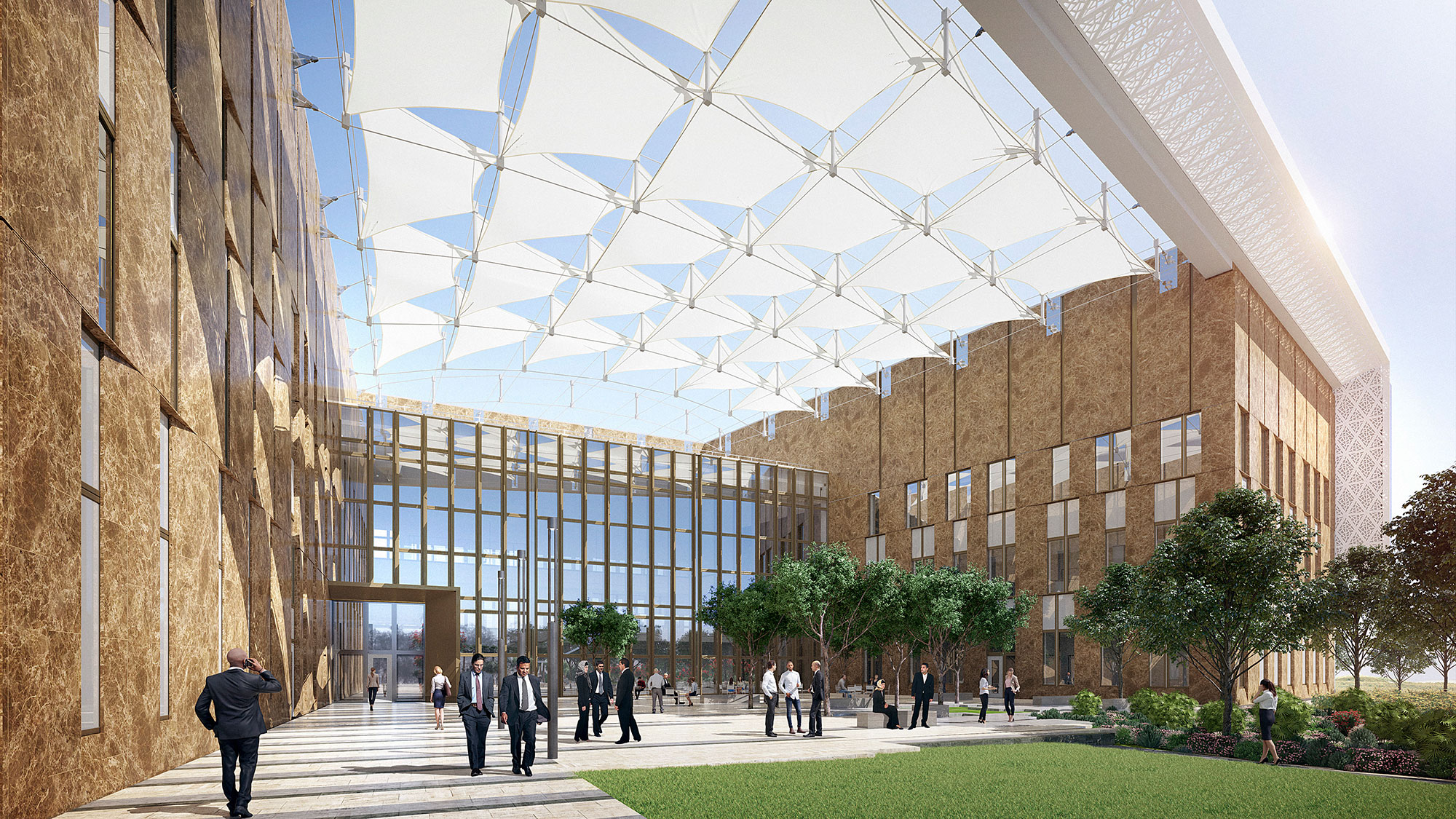
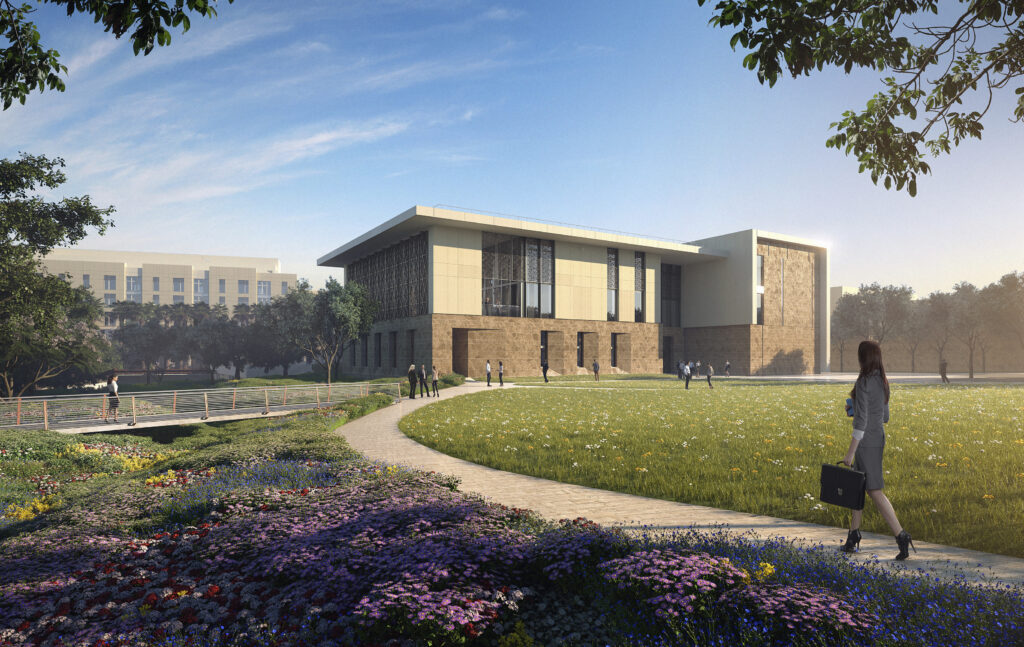
The new consulate meets the Department’s security and life safety standards. The overall design draws on, and is adapted to, the topography of the site and Erbil’s growing urban fabric.
Areas dedicated to public diplomatic functions are designed around the visitor experience and provide comfortable waiting areas.
OBO value engineering recommendations resulted in cost avoidance of $3.8 million during the life of the project.
Building diplomatic facilities impacts the communities and neighborhoods in which they are located by generating jobs, increasing local production and acquisition of goods and services, stimulating business patronage and improving adjacent infrastructure. A workforce of over 1,200 U.S., local, and third-country personnel have been involved in the construction.
The experience and training provided to locally hired staff enhances their career prospects and expands the pool of skilled workers for future mission needs.
Building Performance
This project reduces risk and cost associated with security and maintenance while enhancing resilience to natural hazards. The design of the new consulate pursues rigorous energy-savings goals, aiming to reduce operating costs, optimize building performance, and enhance the self-sufficiency of the consulate.
Wastewater is reused onsite for irrigation to reduce utility costs, conserve potable water, lower stress on the local infrastructure, and improve overall resiliency of the site. Solar photovoltaic arrays on parking structures generate renewable energy, reducing the facility’s dependence on local energy sources and effectively lowering utility costs. Regional materials are prioritized to ensure cost effectiveness.
Arts & Cultural Heritage
The permanent art collection, curated by the Office of Art in Embassies, features site-specific commissions by U.S. artists Mariah Robertson and Janelle Pietrzak, along with a sculpture by Iraqi-U.S. artist Hayv Kahraman. Kahraman (born 1981) is an Iraqi-American-Swedish artist of Kurdish descent.