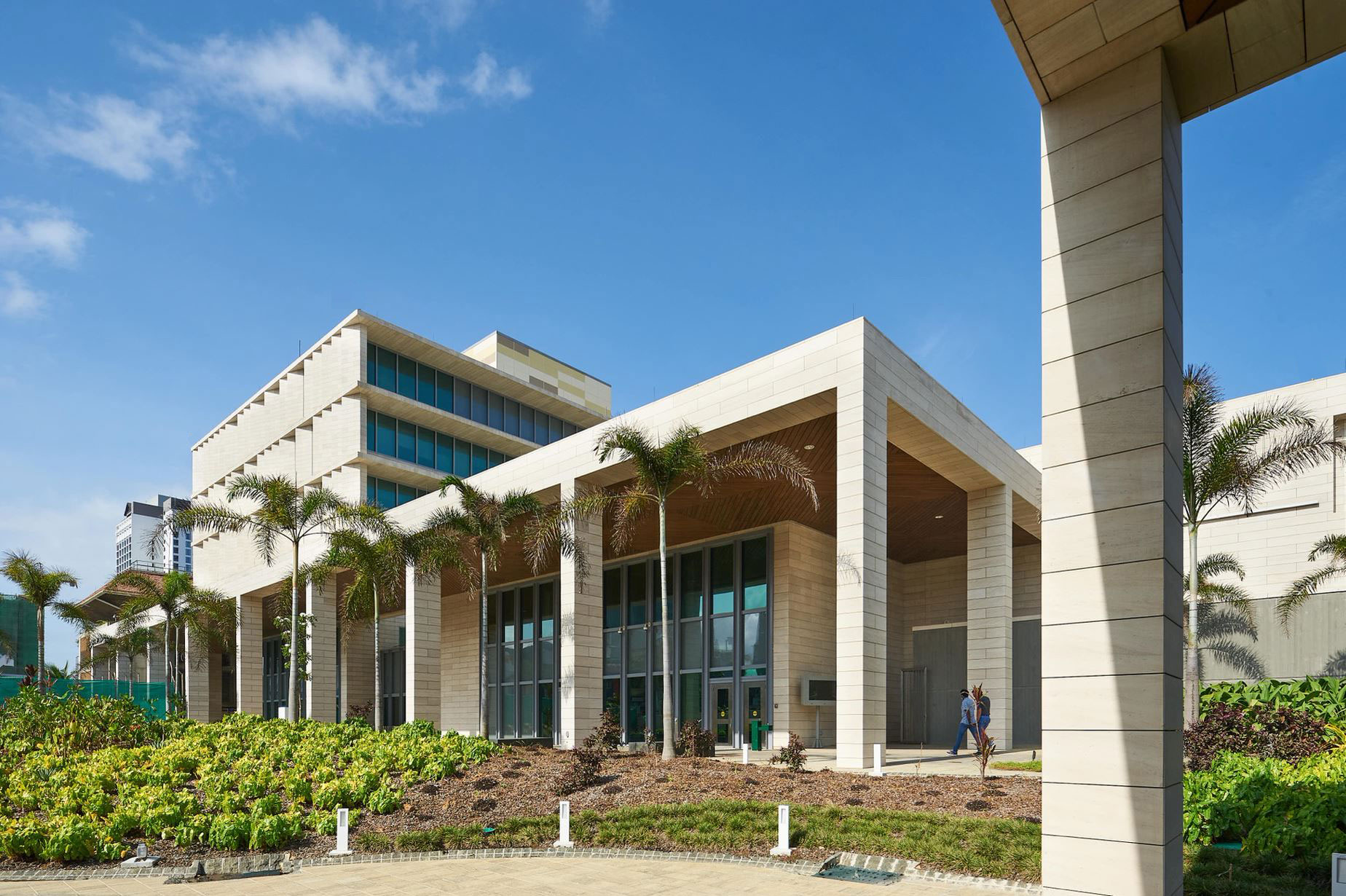
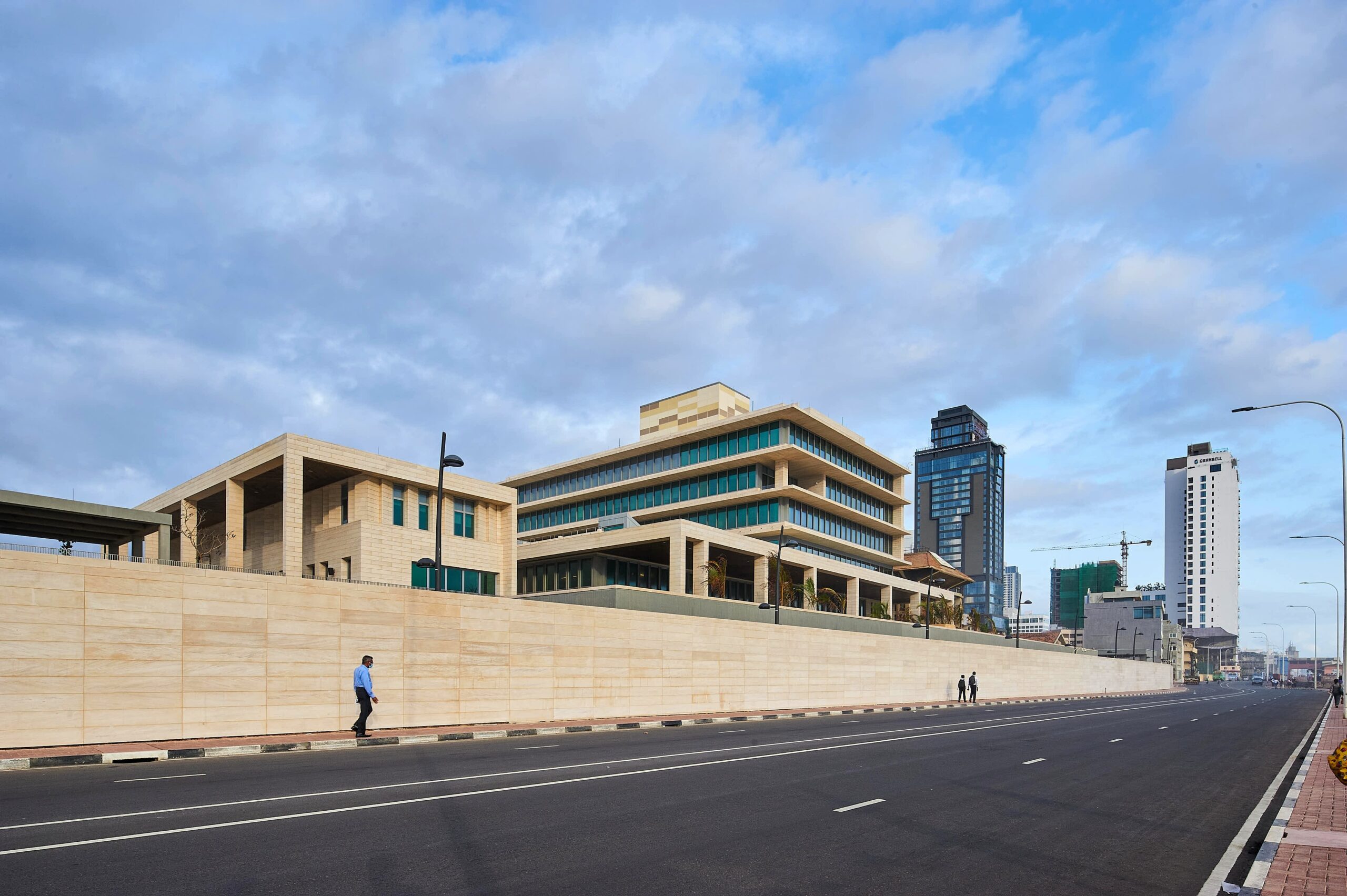
Located on the existing 5.6-acre site alongside the Laccadive Sea, the new U.S. Embassy Colombo supports important diplomatic and commercial relations between the United States and Sri Lanka and embodies the mission of the Bureau of Overseas Buildings Operations (OBO) to efficiently deliver safe, secure, and effective facilities, providing the platform for diplomacy, which advances our national interests. The new U.S. embassy demonstrates efficient design, construction, and operations that represent the best of U.S. architecture, engineering, and building standards and makes the United States safer, stronger, and more prosperous.
Project Overview
ZGF Architects
Design Architect
Caddell Construction Company
General Contractor
5.6 acres
Site Size
$314 million
Project Budget
$90 million
Estimated Local Investment
2023
Project Completion
U.S.-Sri Lanka relations are based on shared democratic values.
Current U.S policy in Sri Lanka aims to support Sri Lanka’s democratic institutions, encourage its economic development, counter terrorism, and promote a free, open, and prosperous Indo-Pacific region.
Design & Construction
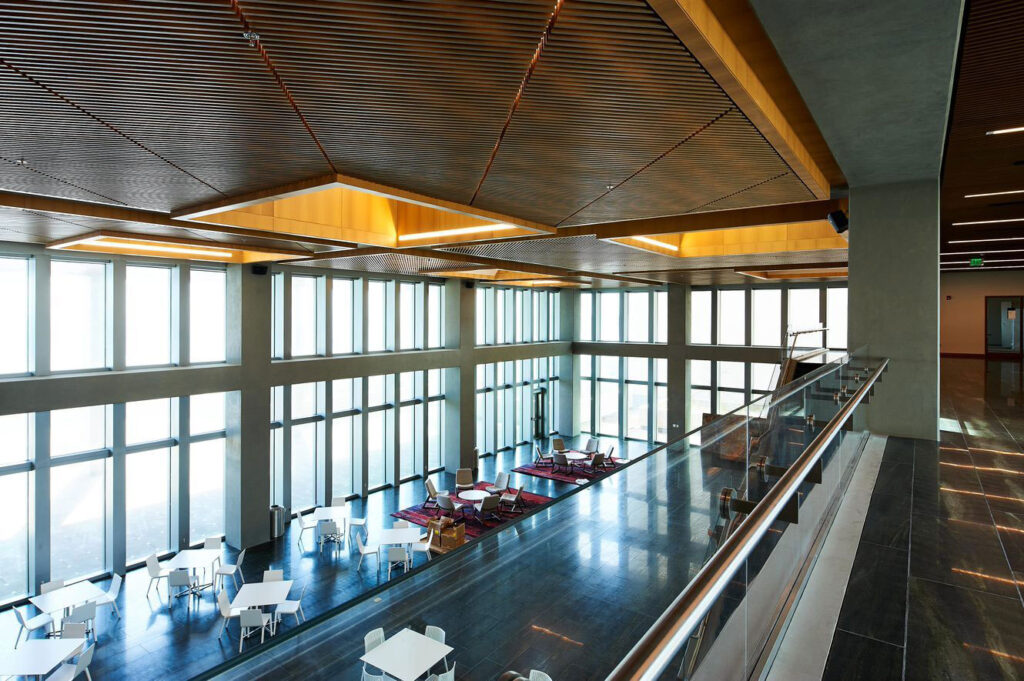
The project underscores the important diplomatic relationship between the United States and Sri Lanka and provides the first impression of the United States for many Sri Lankans. The site architecture and landscape design are heavily informed by Colombo’s tropical setting.
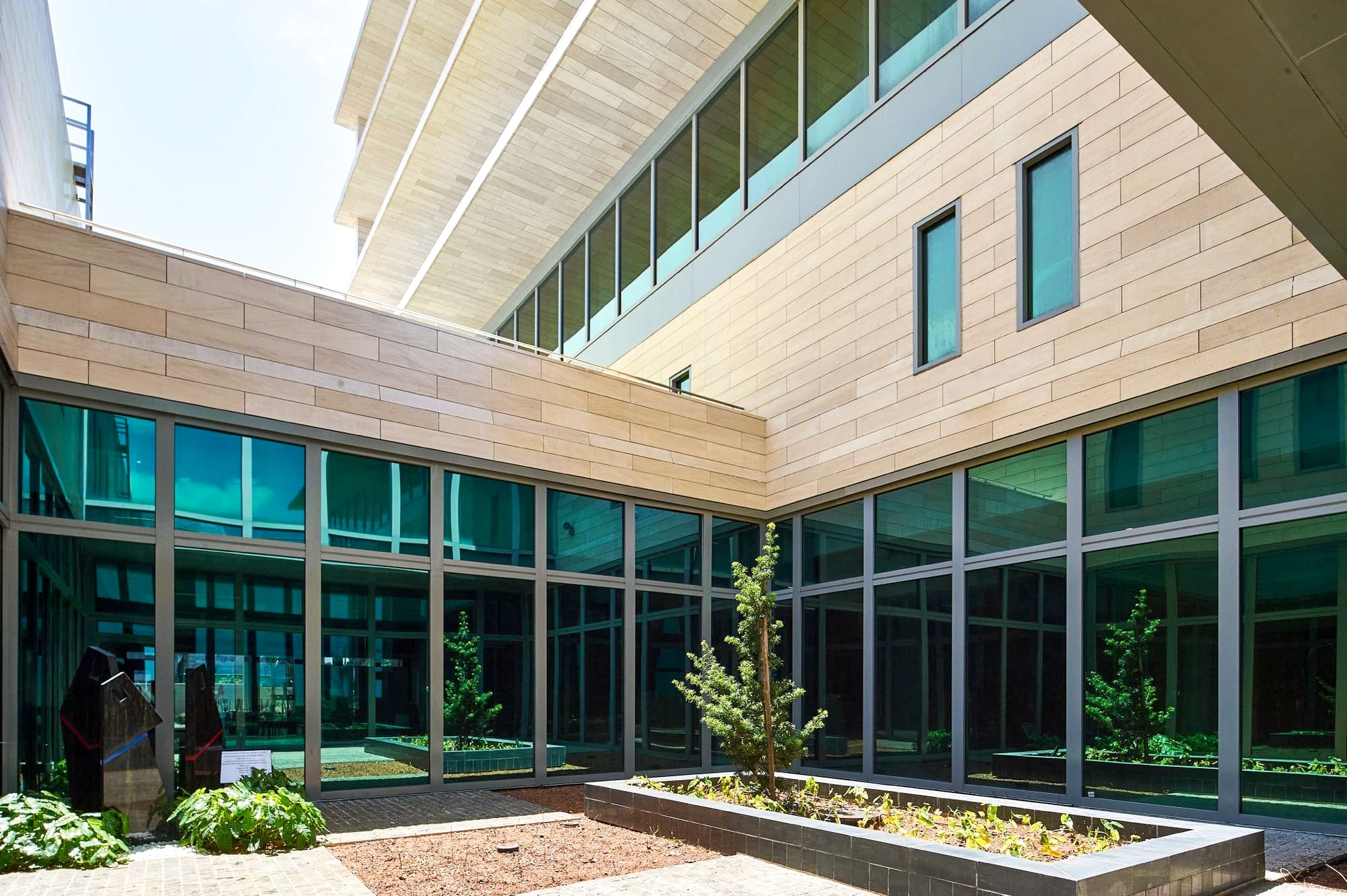
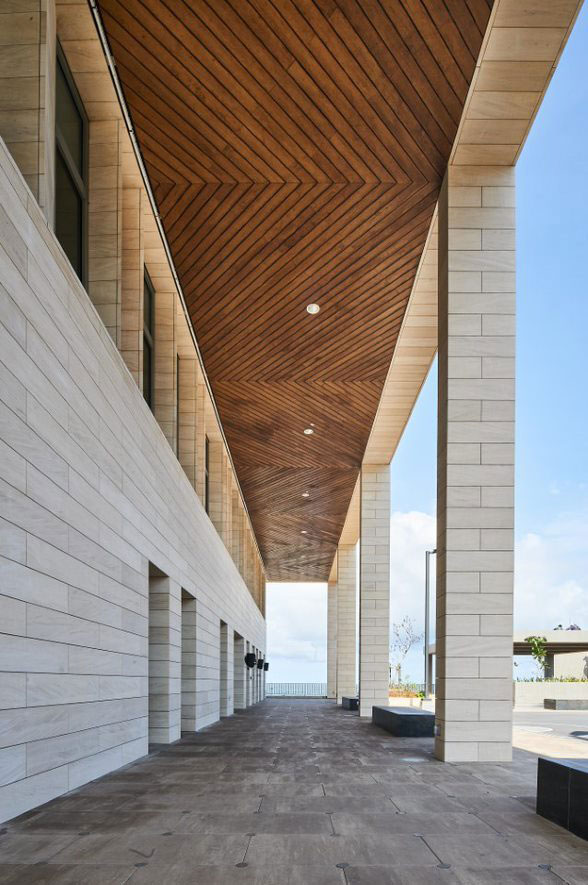
Verdant courtyards and gardens will reduce the heat island effect and provide welcoming shade, creating a pleasant environment for visitors and for the embassy community. Protection from the elements is provided by deep roof overhangs and sunscreens that are integrated into the architecture in a manner consistent with local tradition.
Building Performance
The new design reduces energy costs and increases security and resiliency strategies. To mitigate the strong sun and heavy rainfall, the new embassy integrates rigorous protection methods such as regionally available materials that can withstand the sun and corrosion in this habitat, a responsive shell with deep shades that protect the interior from solar heat gain, PV arrays that offset roughly seven percent of annual energy use, and an advanced stormwater management system.
An on-site wastewater treatment plant allows for grey water to be treated and recycled for irrigation, while plantings promote the local habitat, support wildlife, and minimize the need for irrigation.
Arts & Cultural Heritage
The permanent art collection, curated by OBO’s Office of Art in Embassies, includes art in a variety of media, including painting, photography, textiles, and sculpture by both U.S. and Sri Lankan artists and seeks to create a dialogue of shared values between the people of both countries. Highlights include site-specific commissions of Birds for Sri Lanka and a wall sculpture representing the atolls and coral life in the oceans.