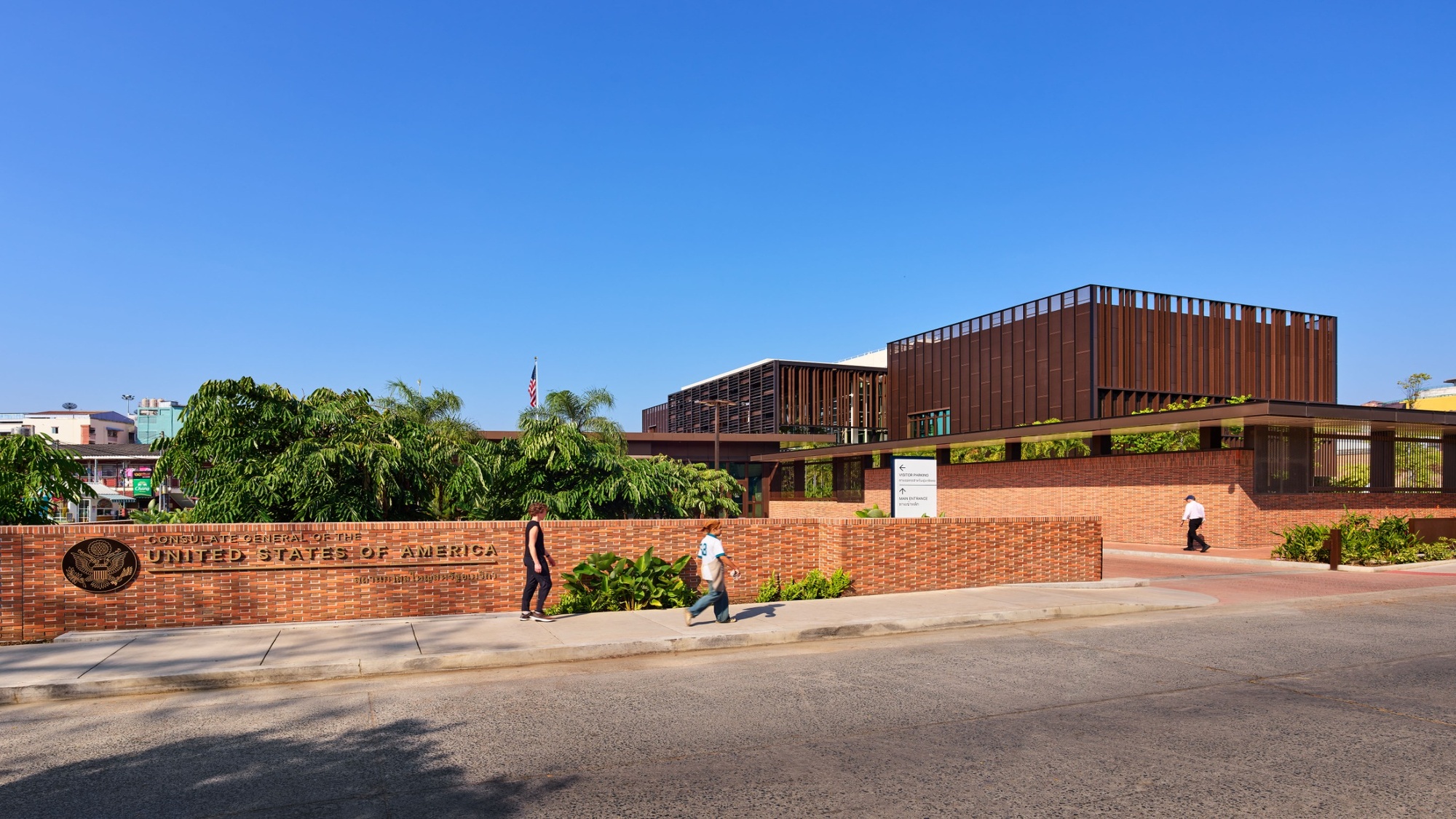
The United States and Thailand share a longstanding and impactful relationship, marked by strong diplomatic, cultural, and economic ties. As part of its ongoing commitment to strengthening these bonds, the U.S. Department of State’s Bureau of Overseas Buildings Operations (OBO) has constructed a new U.S. consulate general in Chiang Mai. Located just east of Chiang Mai’s historic Old City, the multi-building site serves as a secure and resilient diplomatic hub and a tangible symbol of the United States’ enduring presence in northern Thailand. It embodies OBO’s mission of efficiently delivering safe, secure, and effective facilities, providing the platform for diplomacy, which advances our national interests.
Project Overview
Ennead Architects
Design Architect
Page, now part of Stantec
Architect of Record
B.L. Harbert International
Design/Build Contractor
$273 million
Project Budget
$76 million
Estimated Local Investment
2025
Project Completion
The new U.S. Consulate General Chiang Mai project supports important diplomatic and commercial relations between the United States and Thailand.
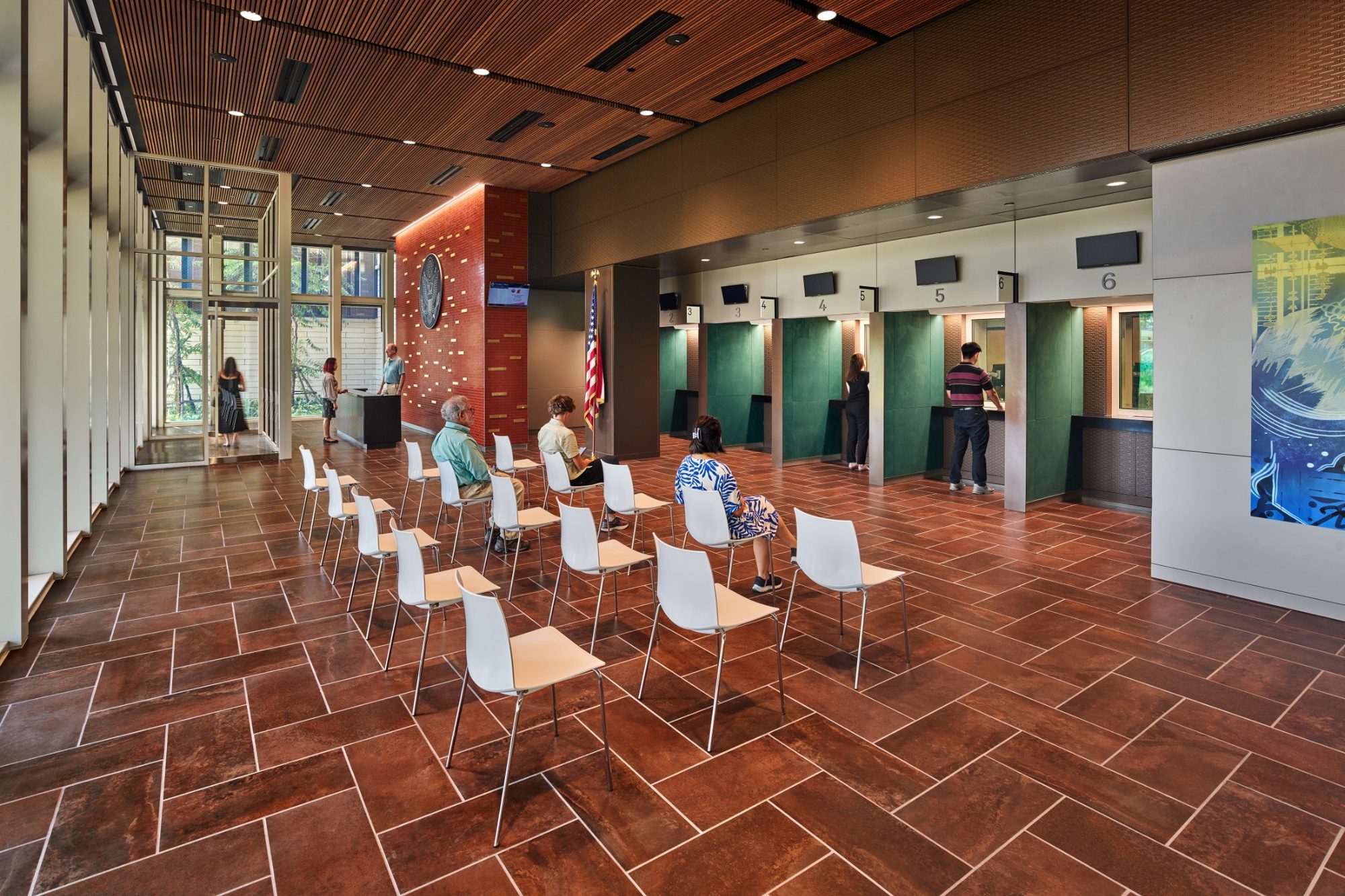
The new facility will provide a professional and modern working space for the consulate’s staff of Americans and Thai employees, as well as updated spaces for providing consular services to the public. Transitioning from a leased to a government-owned property builds prosperity and further enhances our diplomatic presence in the region, embracing the U.S. consulate’s 75-year legacy advancing U.S.-Thai cooperation across 15 provinces in northern Thailand.
Design & Construction
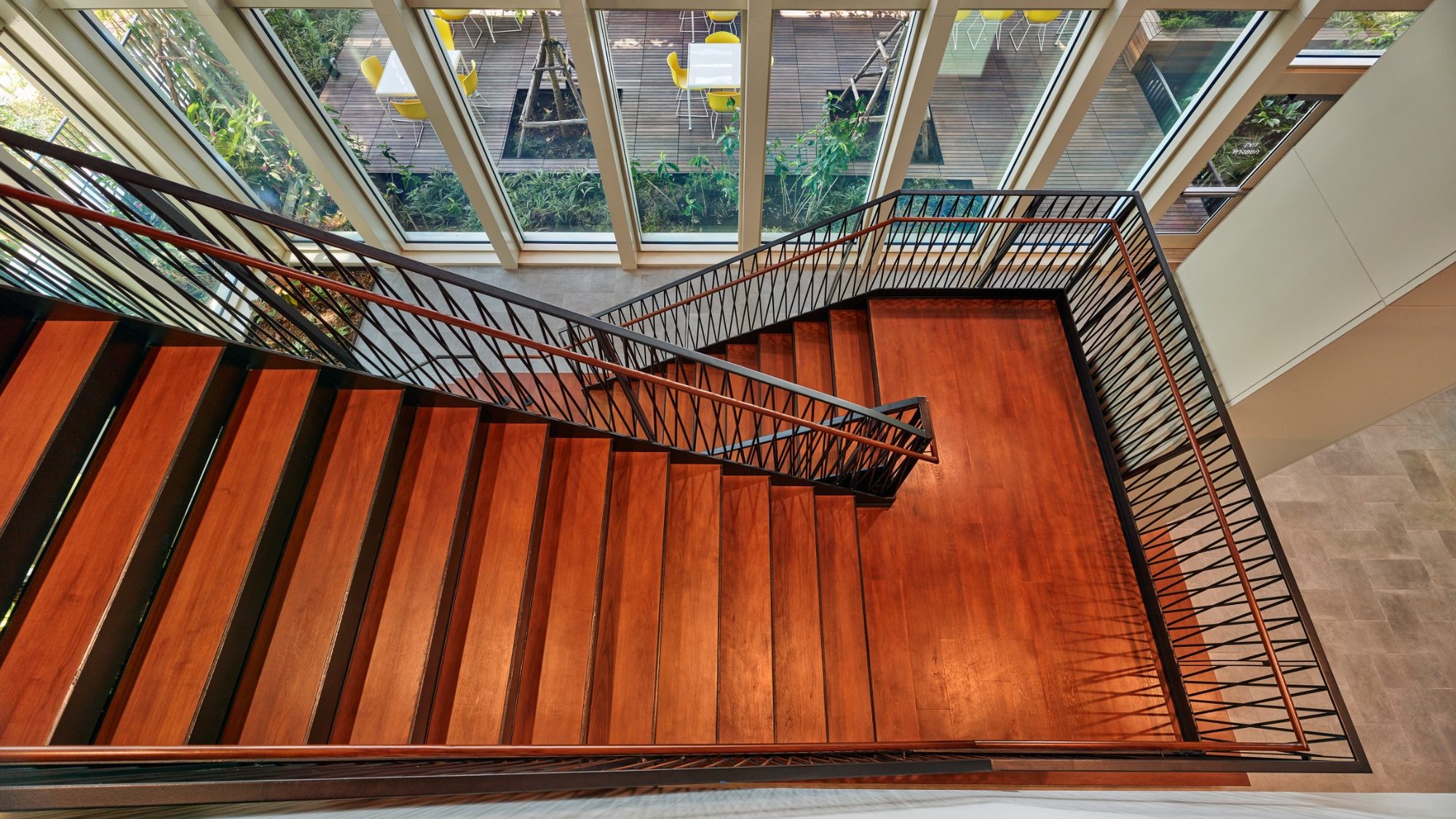
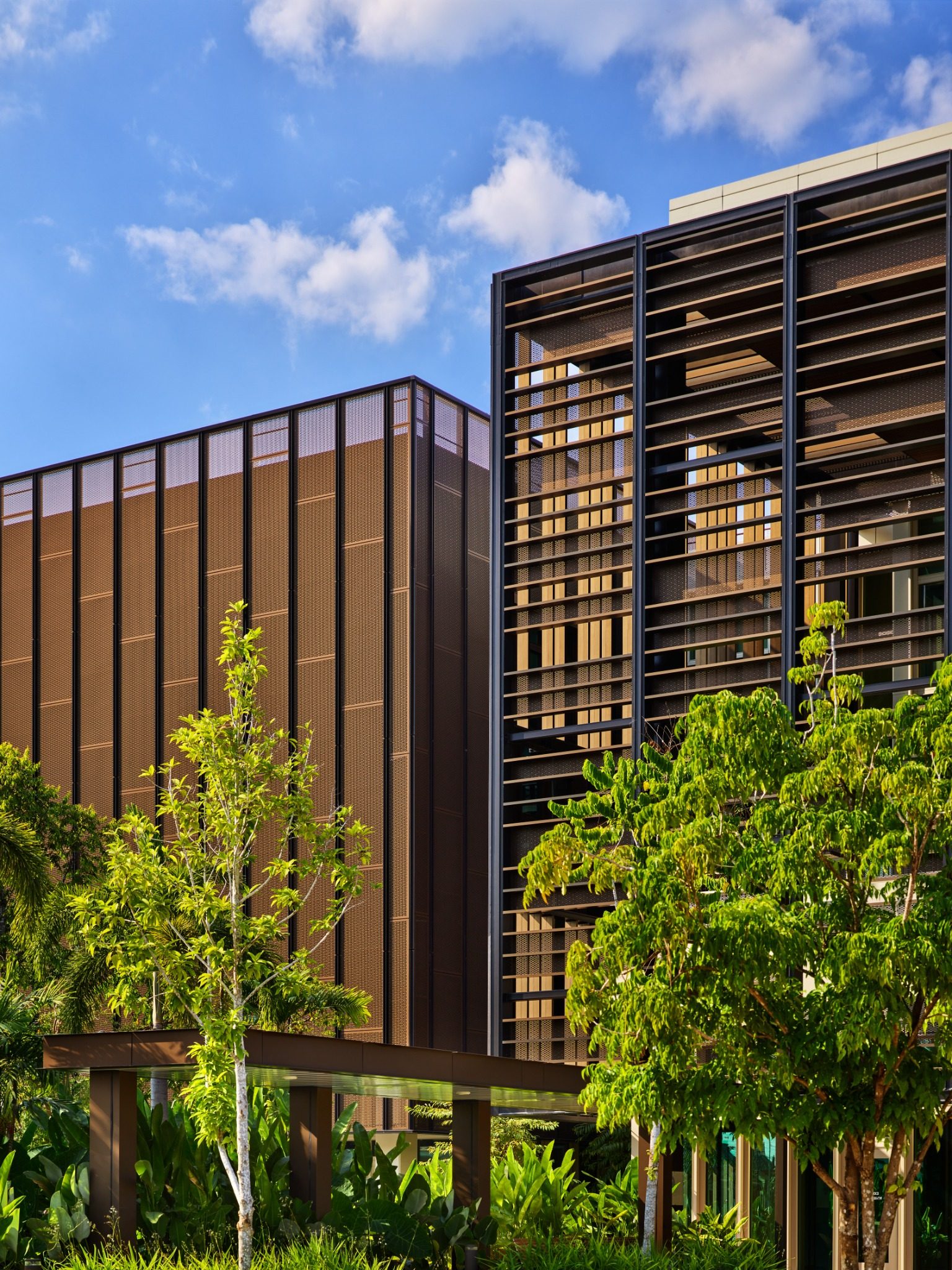
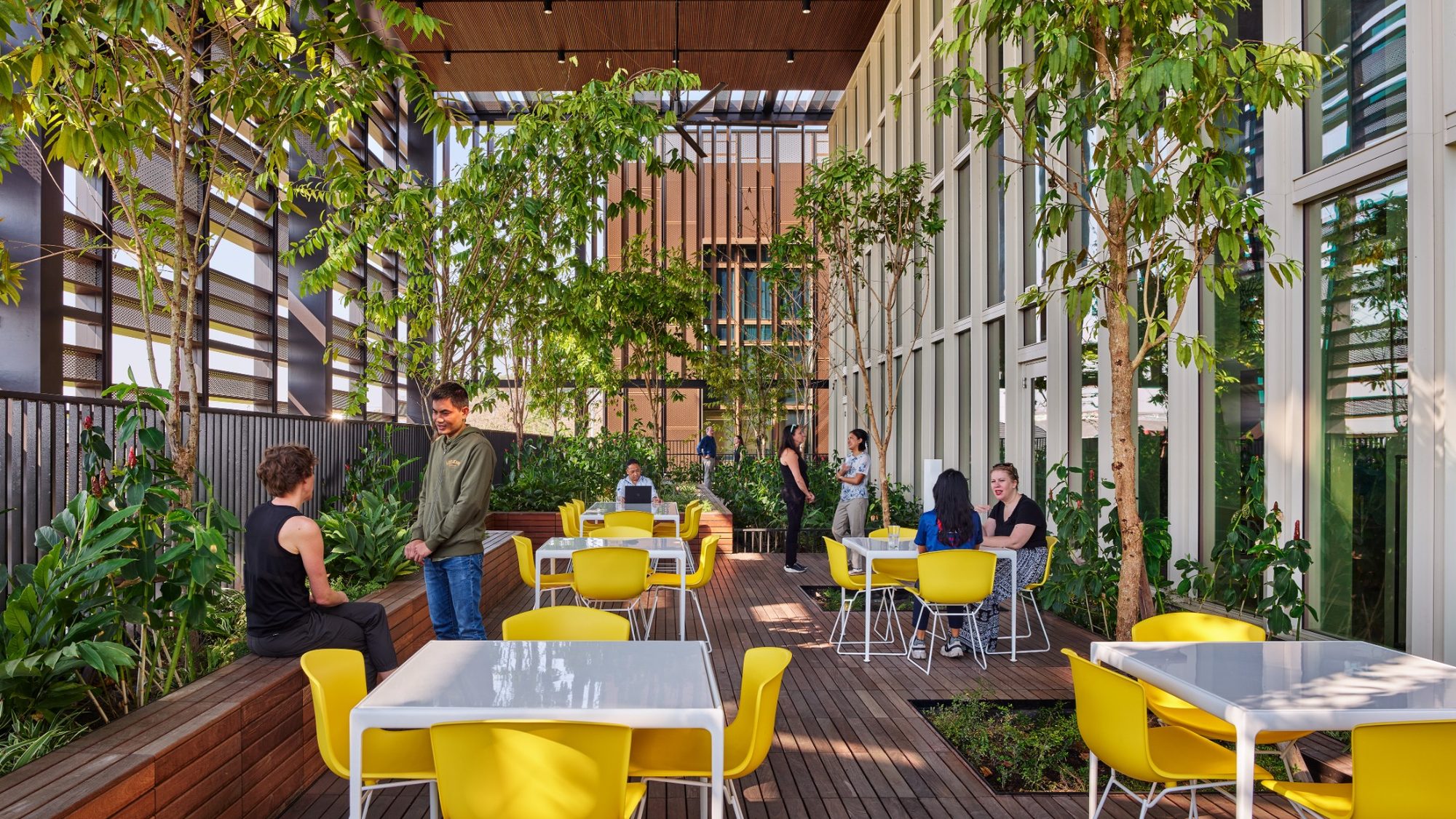
The office building is divided into four sections, connected by glass-enclosed spaces that enhance natural light. Layered screens control solar heat gain with an updated design that uses metal and glass.
The site and building design also blur the boundary between indoors and outdoors, featuring interior gardens, a vegetated roof and terrace, and expansive views of the surrounding landscapes, which maximize daylighting for interior spaces.
The site layout is organized into two parts: a public zone to the south, with the Consular office building and public entrance pavilions, and a support zone to the north.
A workforce of over 1400 U.S, local, and third-country workers supported construction.
Building Performance
A model of building performance optimization, the facility reduces risk and operating costs associated with utilities and maintenance while enhancing resilience to natural hazards.
The facility incorporates features such as solar photovoltaic (PV) and solar water heating systems, an automated building controls system, water-saving plumbing fixtures, and building-envelope heat reduction through low heat-gain windows and shading elements in the façade design.
Arts & Cultural Heritage
Curated by OBO’s Office of Art in Embassies, the permanent art collection includes painting, photography, textile, and sculpture. The collection seeks to create a dialogue of shared values between the people of our two nations.
Highlights include site-specific commissions that seek to create an inspiring context for diplomacy while celebrating creativity as a universal language. Such commissions include:
- A three-part installation (sculpture fabricated in Chiang Mai and mosaic and print fabricated in Bangkok) by artist Jon Isherwood, instructing a class of students at Bennington University, in collaboration with a class of students at Silpakorn University led by Karma Sirikogar.
- A commissioned piece by artist Natasha Bowdoin was installed in the gallery in 2025, blending flora from the United States with flora from Thailand.
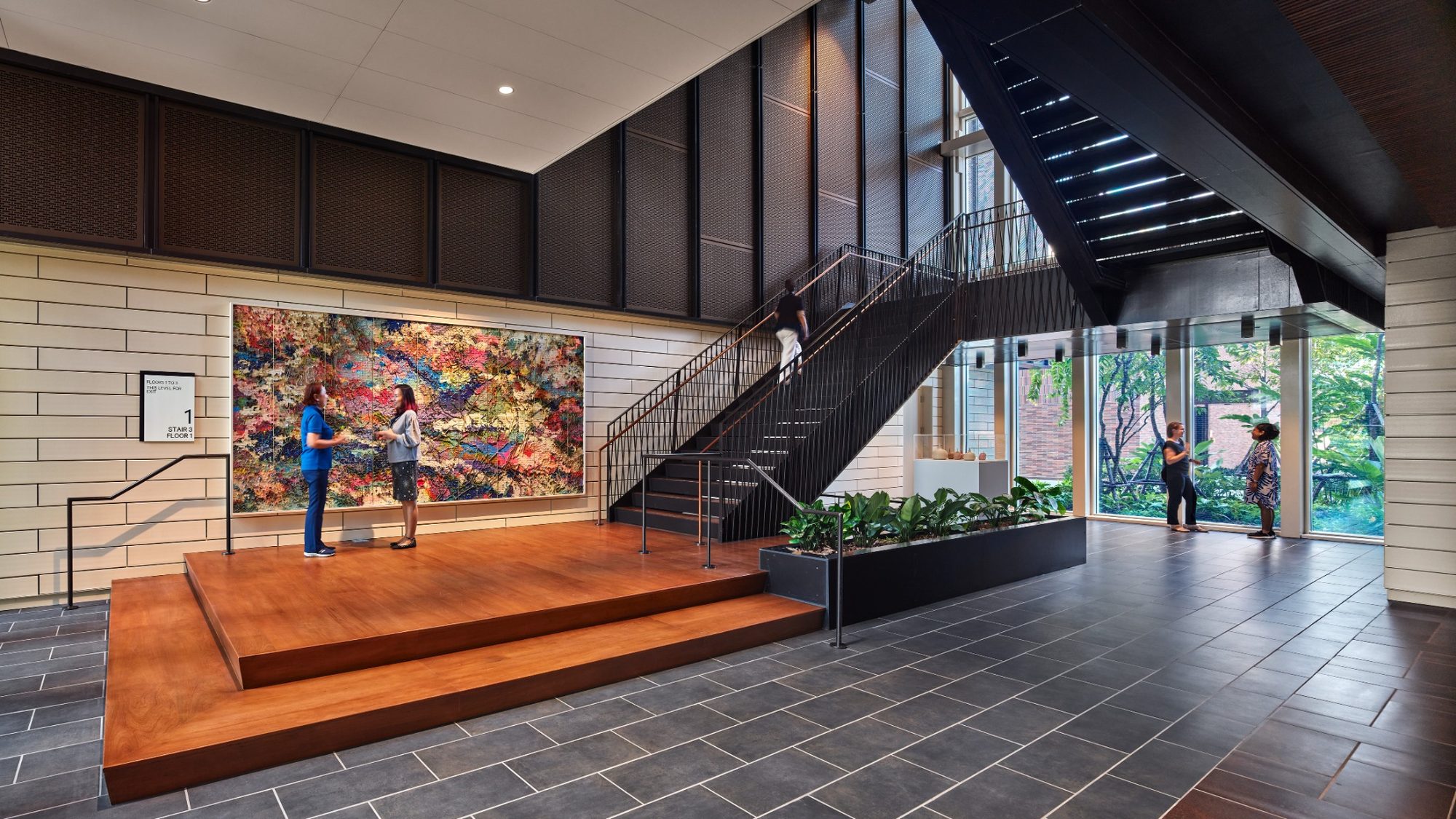
- A large-scale mixed media work by Torlarp Larpjaroensook combining various maps and mapping techniques depicting the area around Chiang Mai was installed at the base of the monumental stair.